Vintage sculpture "Geisha", Asia
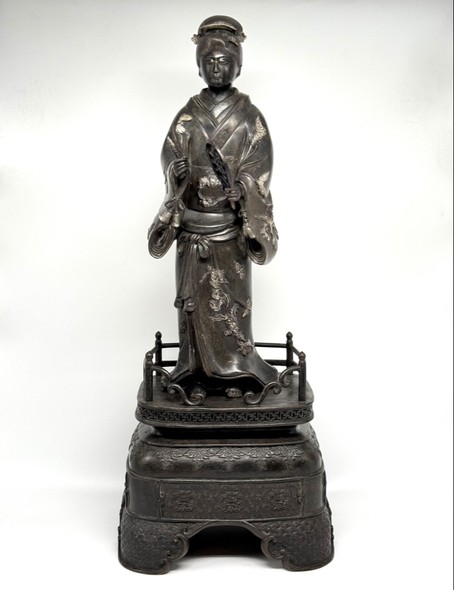
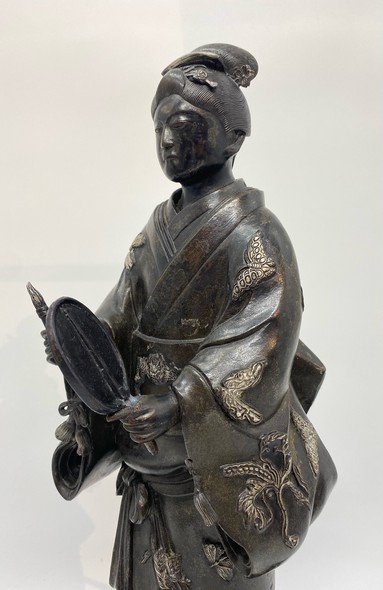
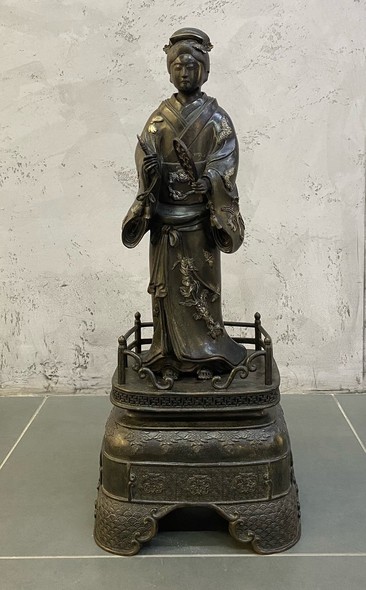
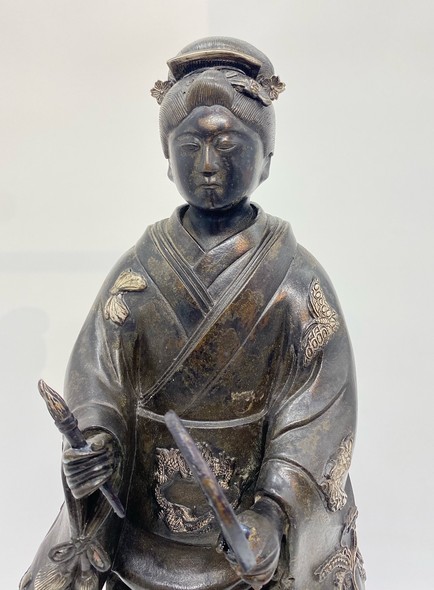
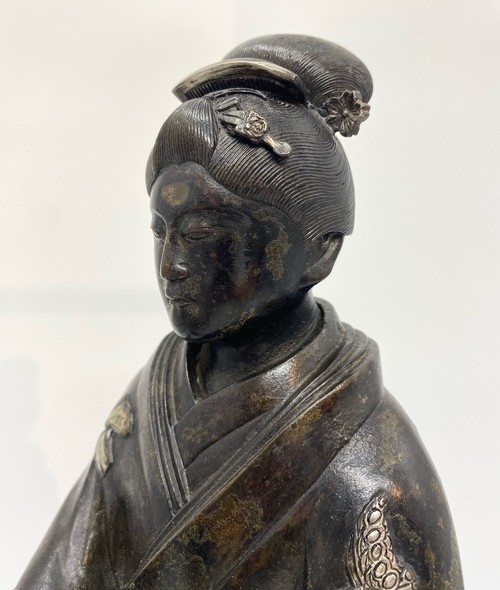
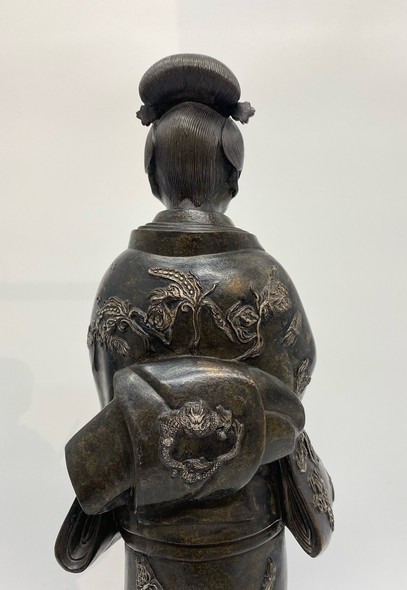
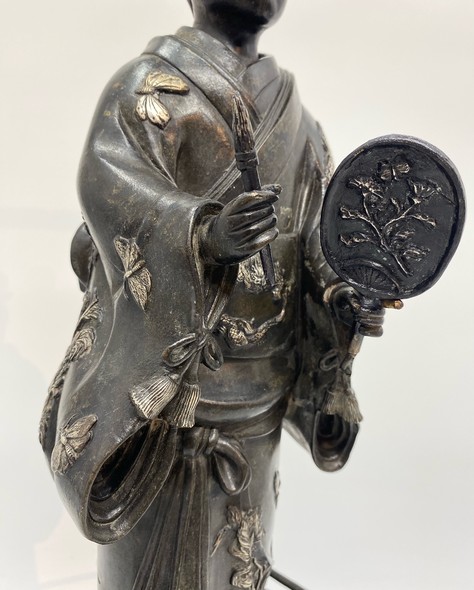
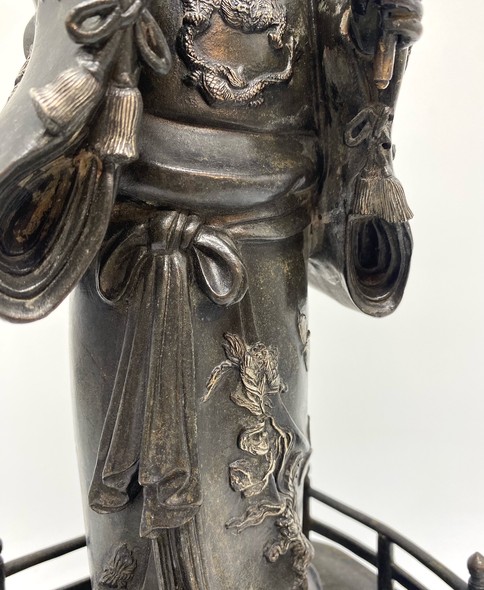
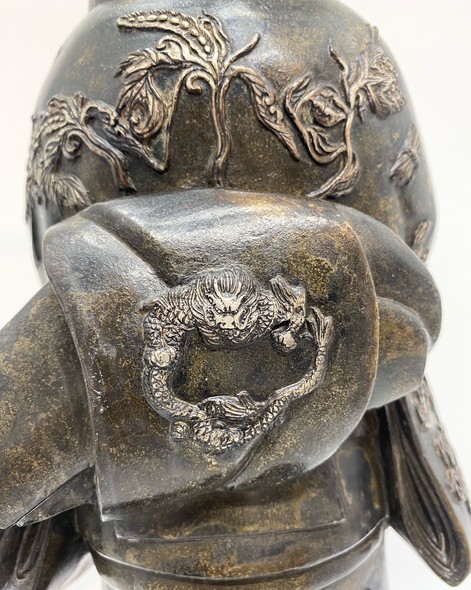
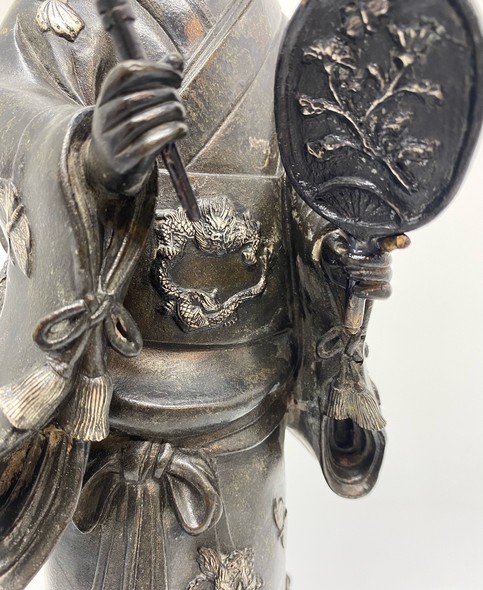
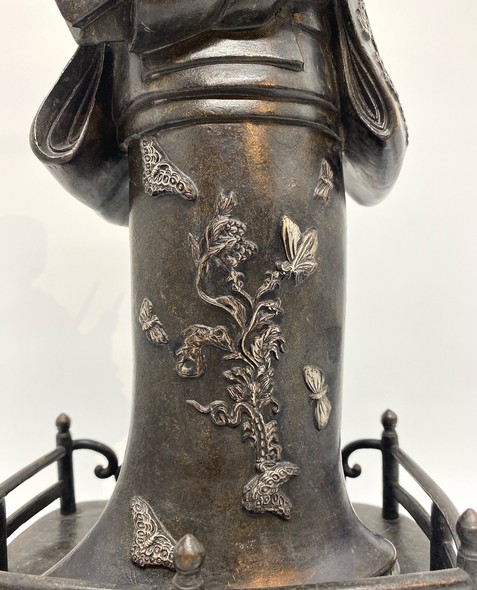
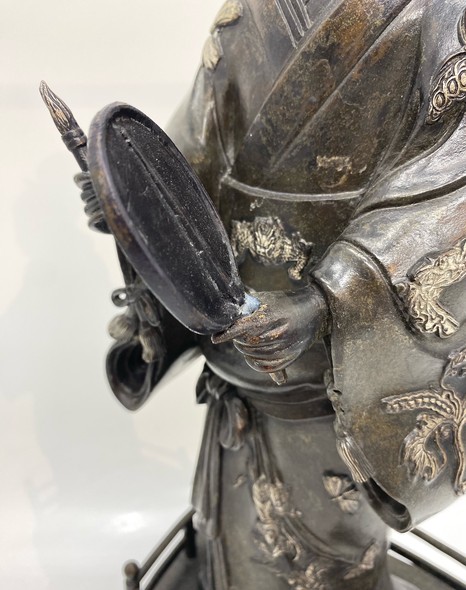
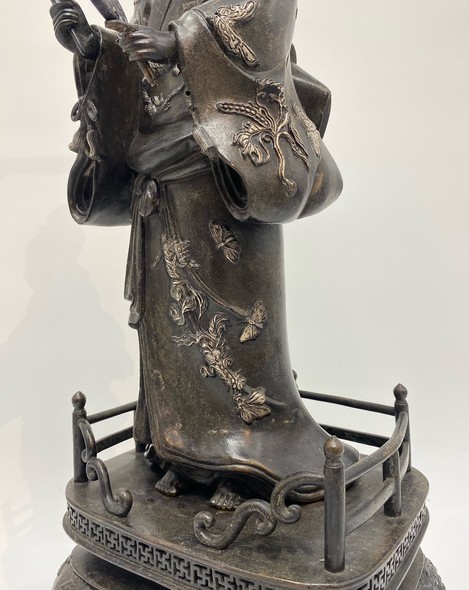
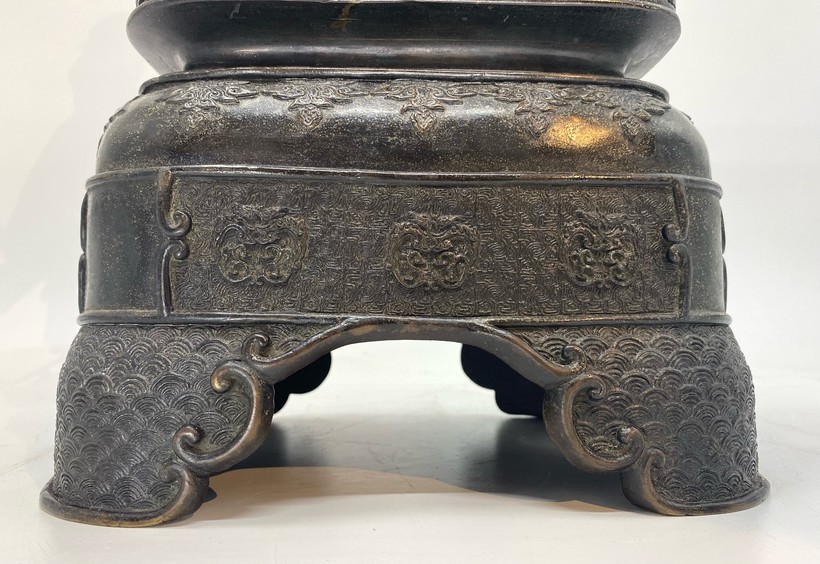


Vintage sculpture of a geisha in a traditional kimono. Patinated bronze. Asia, the twentieth century. The image of the geisha began to be reflected in art during the Edo period, the 18th and 19th centuries. and it became one of the iconic symbols of Japan, a reflection of its cultural code. Bronze as a material makes it possible to perpetuate the era of men (kabuki actors), then women who learned the fine craft of adding aesthetics and something new to the lives of bored rich aristocrats. The sculpture reflects the traditional kimono of a woman, a fan, a tassel in her hand, and the details of her hairstyle. Here, the woman's face is serious, without a certain facial expression, but the true meaning of refinement, conciseness, the mysteries of the world of culture, grace and beauty, which geisha brought to the world, is laid. Sculptures of this type were created to decorate living rooms, tea houses and offices, and then became collectibles.
Vintage sculpture "Geisha", Asia

- Артикул
- 03_2020
- Available:
- In Stock
Shop at Novaya Riga (Unimoll)
- In section:
- furniture and décor in oriental style, okimono | sculpture, decor items, miscellaneous, статуэтки, other, gifts, for leaders, for men, vip gifts, for women
- Materials:
- bronze
Обозначение размеров:
- H – высота,
- W – ширина,
- D – глубина,
- d – диаметр
- Style:
- Oriental
- Period:
- XXth century

в ДЗЕН.
Место, в котором собраны необычные предметы и истории.
Ещё в разделе «Furniture and décor in oriental style»
 Antique vase with peacocks
Ref nr. 01_035
 Antique Doll
 dressed as a Kabuki theater
Ref nr. 03_1478
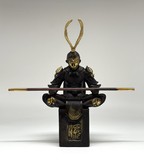 Vintage statuette
"Sun Wukong", the Monkey King
Ref nr. 88_8119
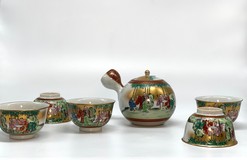 Vintage tea set "The Sages"
Ref nr. 03_1035
Ref nr. 02_0699
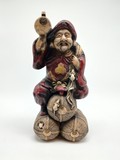 Antique sculpture
"Daikoku with a mallet"
Ref nr. 02_7779
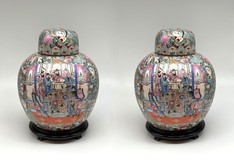 Antique
 Ref nr. 88_2480
 Antique dish
Ref nr. 01_4822