Sculpture "Horse", cloisonné
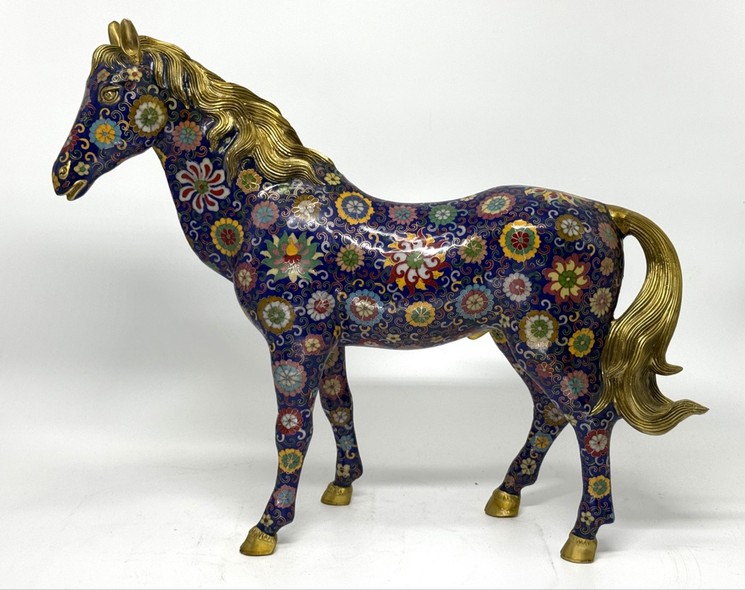
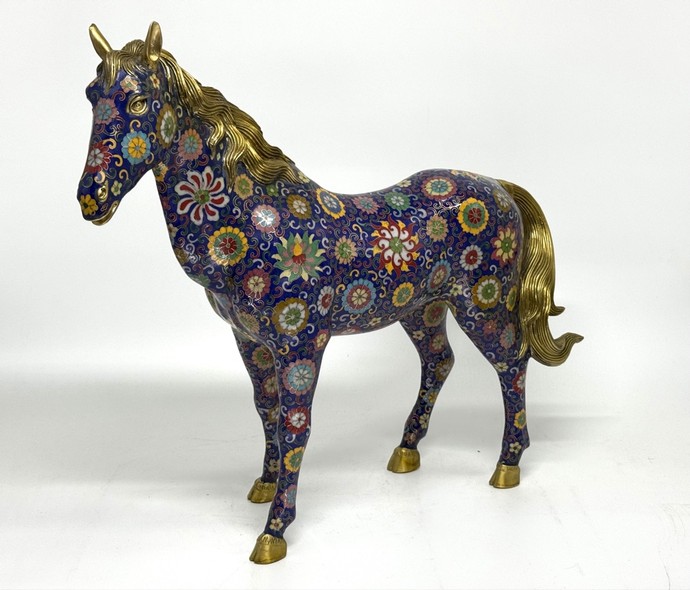
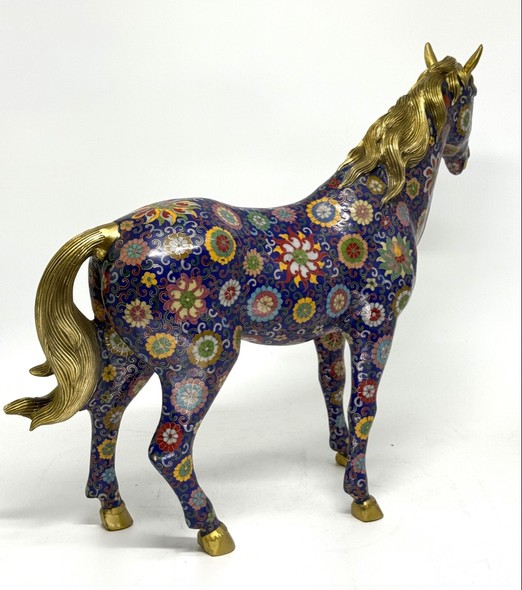
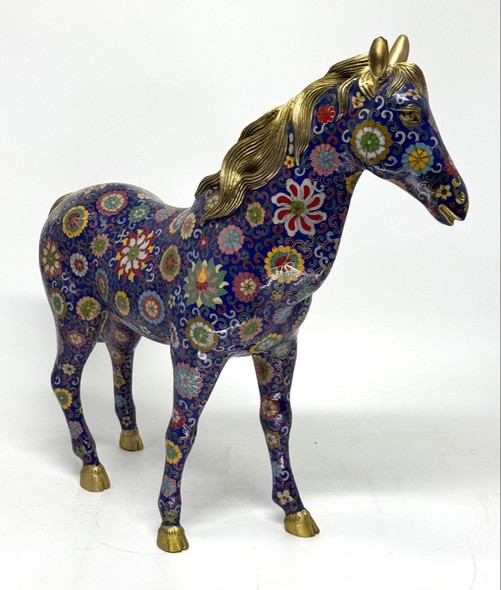
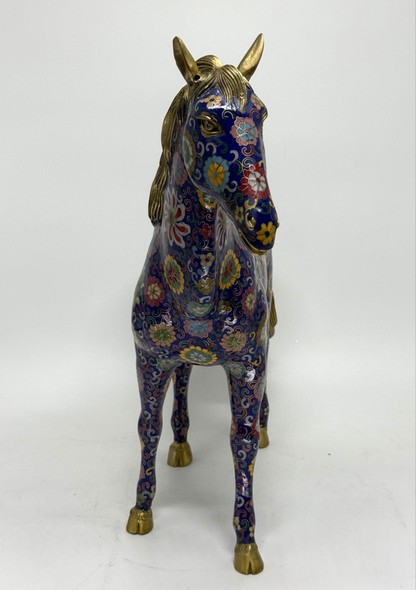


Antique sculpture "Horse" in an oriental style. Made using the cloisonné technique. China, 20th century.
The cloisonné enamel technique originated in China in the 14th century. The technique of creating decorative elements in this technique requires meticulous attention to detail and painstaking work: very fine copper wires are woven onto a metal mold to form cells. Once the design is complete, the cells are filled with multicolored enamel and the piece is fired in a kiln. After cooling, the piece is polished to achieve a smooth surface. Pieces made using the cloisonné technique gained unprecedented popularity in the 17th century and were used primarily to decorate imperial palaces and temples. Over time, the technique evolved, the range of products expanded, and the pieces became more sophisticated. Today, pieces created using the cloisonné enamel technique adorn modern interiors, lending them a vibrant oriental flair.
Sculpture "Horse", cloisonné

- Артикул
- 88_4432
- Available:
- In Stock
Shop at Novaya Riga (Unimoll)
- In section:
- sculpture, bronze sculpture, furniture and décor in oriental style, okimono | sculpture, decor items, miscellaneous, decor, статуэтки, gifts
Обозначение размеров:
- H – высота,
- W – ширина,
- D – глубина,
- d – диаметр
- Style:
- Oriental
- Period:
- XXth century

в ДЗЕН.
Место, в котором собраны необычные предметы и истории.
Ещё в разделе «Sculpture»
 Antique sculpture "Pho the Dog"
Ref nr. 88_0747
 Paired sculptures "Elephants", cloisonné
Ref nr. 88_4426
 Antique sculpture "Dog Fo"
Ref nr. 02_9922
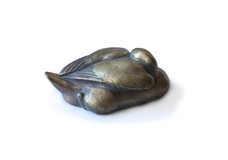 Sculpture "duck"
Ref nr. 01_1321
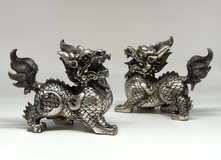 Vintage paired Qilin sculptures
Ref nr. 88_1461
Ref nr. 03_0274
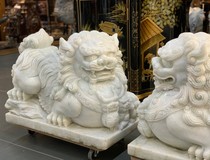 Antique paired sculptures "Pho Dogs"
Ref nr. 88_1536
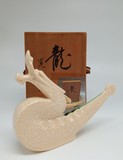 Sculpture "Dragon"
Ref nr. 02_1843